
Akedis
akedis Innovations is a scale-up company based in Innsbruck and founded by Dr. Thomas Pellizzari (former CEO of synedra IT GmbH).
We specialize in innovative digital solutions for healthcare, focusing on optimizing clinical workflows through smarter data collection. At akedis, we believe that digitalization can transform patient care, and our goal is to enhance healthcare processes with cutting-edge technology.
Our flagship product is calliDoc, a smart platform for structured documentation and clinical workflow management. With calliDoc, healthcare professionals can manage patient documentation in their daily routine, thanks to a user-friendly interface and deeply integrated software.
By integrating with hospital IT infrastructures — such as the hospital information system (HIS) and health content management systems or data archives — calliDoc supports the entire documentation process, from patient registration to examination records and final reports.
Through close collaboration with healthcare professionals, akedis has developed an application that can support various medical specialties, from internal medicine, to pediatrics, to radiology and more. Given the multidisciplinary nature of healthcare, calliDoc facilitates teamwork by allowing multiple users to interact with patient records simultaneously, making it an ideal tool for multidisciplinary boards.
Beyond structured reporting, calliDoc extends its capabilities to patient-reported outcomes, enabling patients to complete digital questionnaires for research projects or ongoing examinations. This comprehensive approach ensures that calliDoc serves all stakeholders in healthcare.
Looking ahead, akedis is driving innovation by integrating AI-powered reporting into calliDoc and preparing for the future of healthcare data management — embracing cloud-based solutions and EU-wide interoperability.
Angios
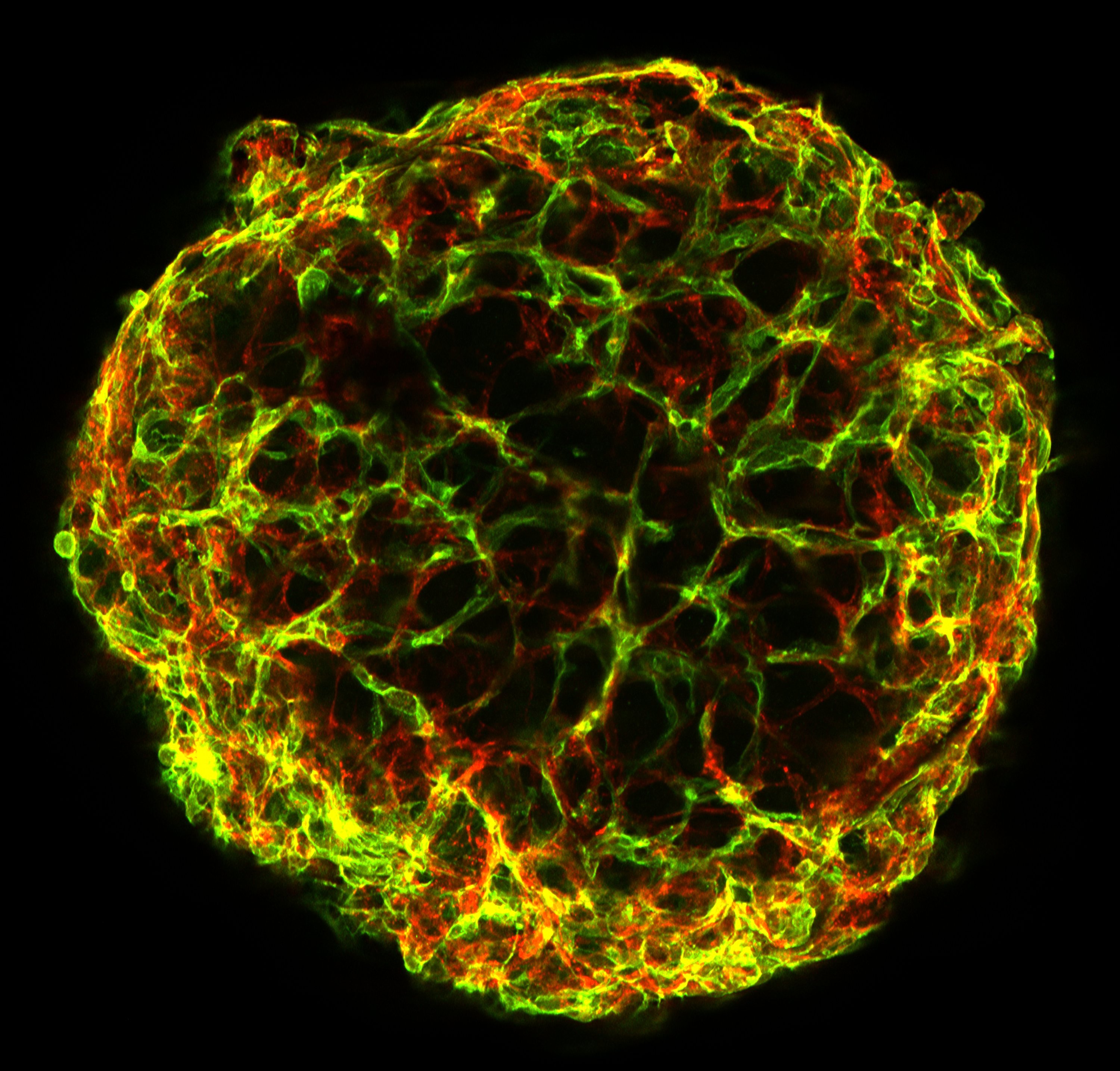
Angios FlexCo is a biotech company specializing in vascular research with a mission to improve patients’ lives worldwide. Founded in 2021 as a spin-off from Professor Josef Penninger’s lab at the Institute of Molecular Biotechnology (IMBA) in Vienna, the company utilizes a unique blood vessel organoid (BVO) model to accurately replicate the human vascular system.
Under the leadership of CEO Dr. Gregor Wick and CSO Dr. Teodor Yordanov, Angios has built numerous local, national, and international collaborations. In Tyrol, the company works closely with the Medical University of Innsbruck, the University of Innsbruck, and the Tyrolean Cancer Research Institute. On a global scale, Angios collaborates with Abcellera Biotechnology, which has made a significant investment in the company, as well as with Stemcell Technologies in Canada.
Our patented technology enables the creation of human blood vessels in vitro, successfully mimicking the architecture and function of human microvasculature. Originally developed at IMBA and further refined at Angios, this protocol is now being used to establish the BVO model as a groundbreaking cell-based therapy for treating chronic wounds. The project is currently in its final stage of preclinical testing, with clinical trials planned for the next two years.
Together with its long-term partner, Abcellera Biologics, Angios has also developed novel monoclonal antibodies targeting vascular complications in diabetic and cancer patients. This project is still in the preclinical phase, with a transition to clinical trials expected within the next two to three years.
Angios is funded by the state of Tyrol through the Health Hub Tirol support program and by private investors and has successfully secured grants from HORIZON Europe. Our team of international scientists is driven by passion and innovation, working to develop new therapies for vascular diseases and improve patient outcomes.
Leonhard Lang
Founded with a focus on paper and packaging more than 150 years ago, Leonhard Lang has evolved into a medical device company. Located in Innsbruck, Austria, Leonhard Lang develops, manufactures and globally distributes medical electrodes and sensors for ECG, EEG, EMG, for HF surgery, for defibrillation and for other diagnostic procedures and therapies.
These capabilities are also employed in partnerships to create tailored original accessories exclusively for medical equipment companies.
Our multi-disciplinary team of research and development specialists puts a strong emphasis on the development of original products. Main focusses of our research and development departments include the following areas:
• Electrical signal transmission and stimulation
• Manufacturing processes and technologies for electrode and sensor systems
• Biocompatible medical hydrogels
• Conductive surfaces
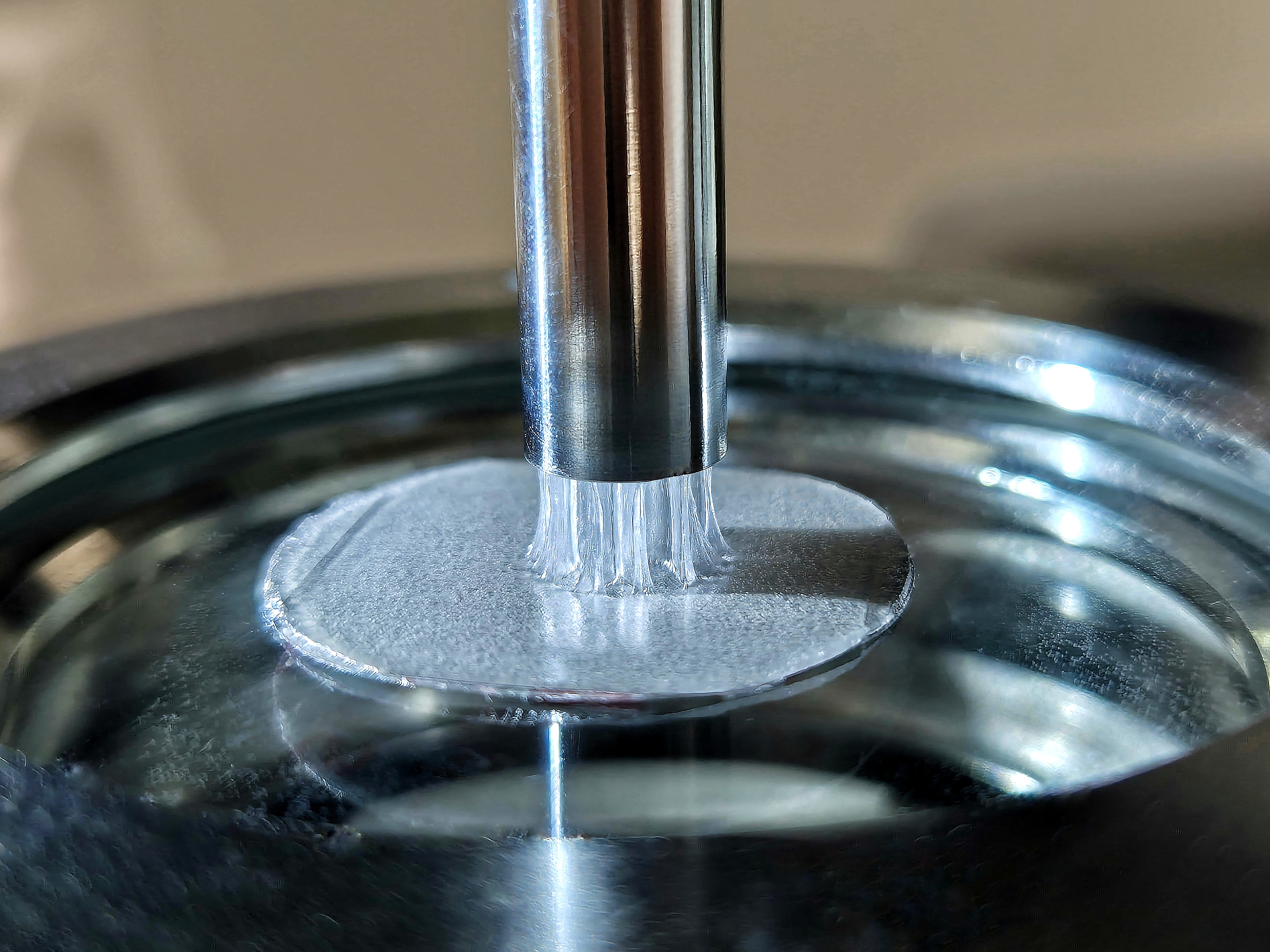
Within the Health-Hub Project “Wearable Hydrogel and Assembly Technology (WHAT)” these topics are being studied in-depth:
• Low-swelling and dehydration resistant hydrogels
• Adhesive hydrogels with a focus on wet-adhesion
• Macroscopically (e.g., encapsulation) and microscopically (e.g., interpenetrating networks) structured hydrogels
• Chemical characterization and structure-property relationships of hydrogels
• Novel application areas such as wearables or health patches
Leonhard Lang is committed to saving resources and the environment. These sustainability considerations influence product design and manufacturing.
Masuration
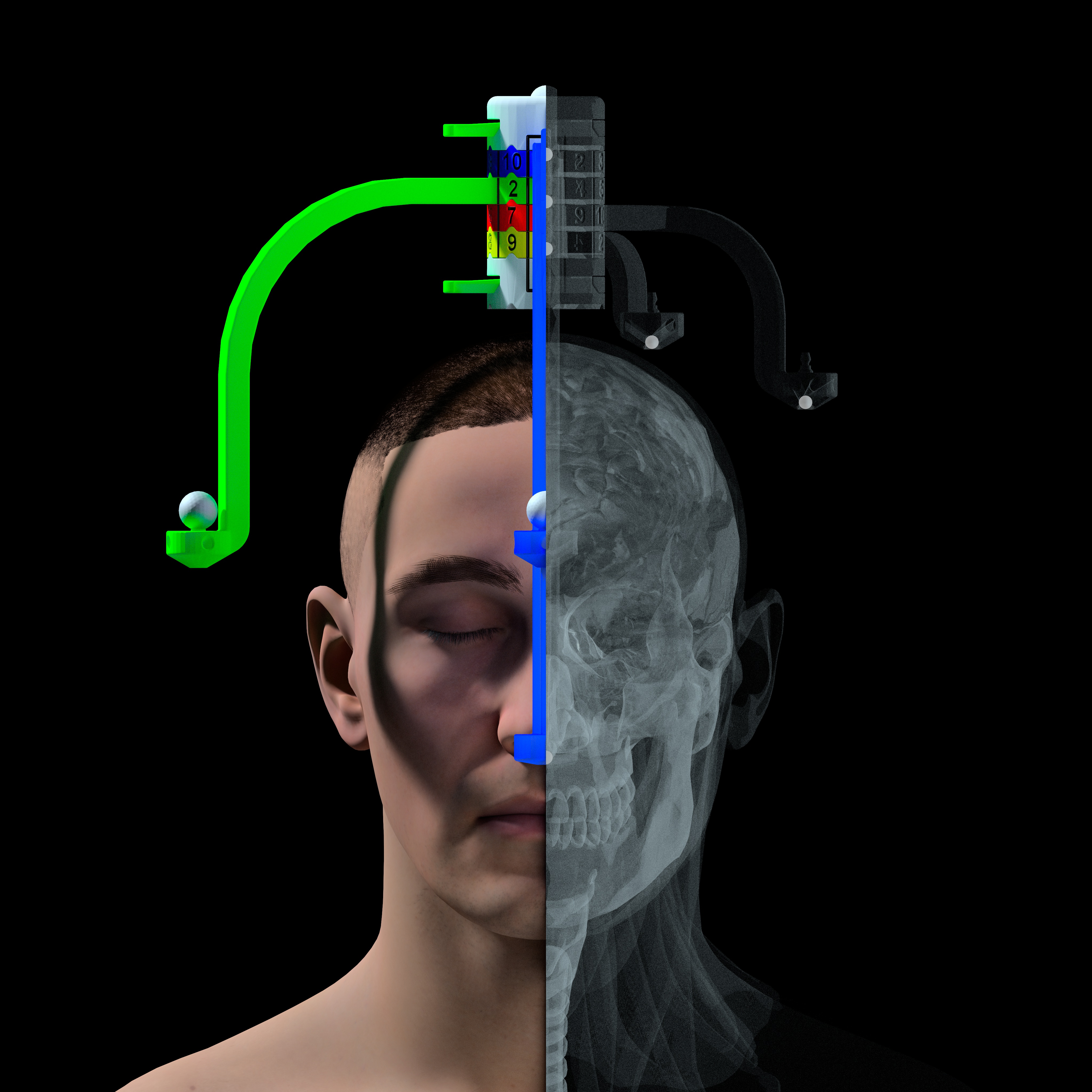
The medical technology company MASURATION GmbH develops the world’s most accurate, precise, and reliable surgical navigation system named “Noctopus” to maximize patient safety and improve surgical workflow, wherever it is required, e.g., in neurosurgery, ENT, spine, orthopedics, biopsy, interventional radiology, and numerous other surgical specialties.
Noctopus represents a straightforward, reliable, and versatile novel approach to current patient registration and navigation methods available in the market. With significantly enhanced target accuracy, the resulting precision for a single or multiple surgical targets is consistently applicable across the patient’s anatomy. This system not only complements conventional minimally invasive procedures in image-guided surgery but also facilitates new surgical interventions that were previously unfeasible due to inaccuracies and concerns regarding patient safety.
Sola Diagnostics
At Sola Dx, our vision is to drive a global transformation in women’s cancer prevention and early detection. We are committed to making innovative, accessible, and personalized solutions the standard of care — empowering women worldwide to live healthier lives.
Our mission is to bridge critical gaps in women’s cancer prevention and diagnosis by delivering cutting-edge epigenetic solutions. Through personalized care and global accessibility, we strive to improve health outcomes for women everywhere.
We create value by revolutionizing primary and secondary cancer prevention with breakthrough innovations, including the WID®-easy test for the early detection of endometrial cancer and the WID®-can test for cervical cancer risk prediction. Our unwavering dedication to innovation ensures that we address today’s most pressing diagnostic needs while paving the way for a future where personalized, accessible, and effective cancer prevention becomes the global standard of care.
Sola Dx stands apart as a commercial-stage epigenetic diagnostics company, built on over 30 years of pioneering research in DNA methylation and gynecological cancers. Our technologies originate from the groundbreaking work of Prof. Martin Widschwendter and his internationally recognized academic team. Leveraging state-of-the-art epigenetic science, we develop diagnostic tests that are both highly accurate and minimally invasive. By focusing on precision prevention, we empower women with the knowledge and tools to make informed health decisions — establishing ourselves as leaders in women’s health diagnostics.
TELBIOMED
Telbiomed is a spin-off of the AIT Austrian Institute of Technology that specializes in digital health services. The company designs, develops, and operates Digital Health Solutions for healthcare providers.
We offer comprehensive solutions for hospitals, telemedicine centers, and primary care facilities, enabling telemedical, multi-professional, and interdisciplinary care for patients with chronic illnesses. Our software system — which includes a data management platform, a diary app, and an automated decision support tool (KITMed, KITGuideMe, CE 0483) — allows patients to record health-related data at home. This data is then shared with a multidisciplinary team of health professionals who assess the information and guide treatment. Patients benefit from personalized care while also gaining a sense of control over their own health.
The T•B•M CareManager is designed to be modular and adaptable, meaning it can be used across various treatment models, care levels, and disease management programs.
Telbiomed works closely with AIT, combining decades of experience in research and development of innovative Digital Health solutions for healthcare.
In Tirol, we have been collaborating with experts from the Landesinstitut für Integrierte Versorgung (LIV) and Tirol Kliniken to develop cutting-edge healthcare programs such as HerzMobil Tirol, StrokeNet Tirol, and CareNet Tirol.

ViraTherapeutics
ViraTherapeutics GmbH, established in April 2013 as a spin-off from the Medical University of Innsbruck, is a biopharmaceutical company specializing in developing innovative cancer treatments using oncolytic viruses.
Background: Cancer growth is not only about changes in the tumor itself, but also in the environment, which includes different cell types, blood vessels and other cell-free parts. ‘Hot’ tumors have many immune cells, are usually active and can be targeted with a variety of treatment options, while ‘cold’ tumors have fewer immune cells and are usually surrounded by an environment that suppresses the immune system, making them much more difficult to treat. Immunotherapy aims to turn ‘cold’ tumors into ‘hot’ tumors by boosting the activation of the immune system. One promising approach is the use of oncolytic viruses, which can selectively infect and destroy cancer cells while sparing healthy tissue and trigger an immune response against the cancer itself. However, it is still difficult to predict which patients will respond well to this virus-based therapy. Understanding the dynamics of the immune system in cancer could help to predict how well virus-based therapies will work and how we can improve them, respectively.
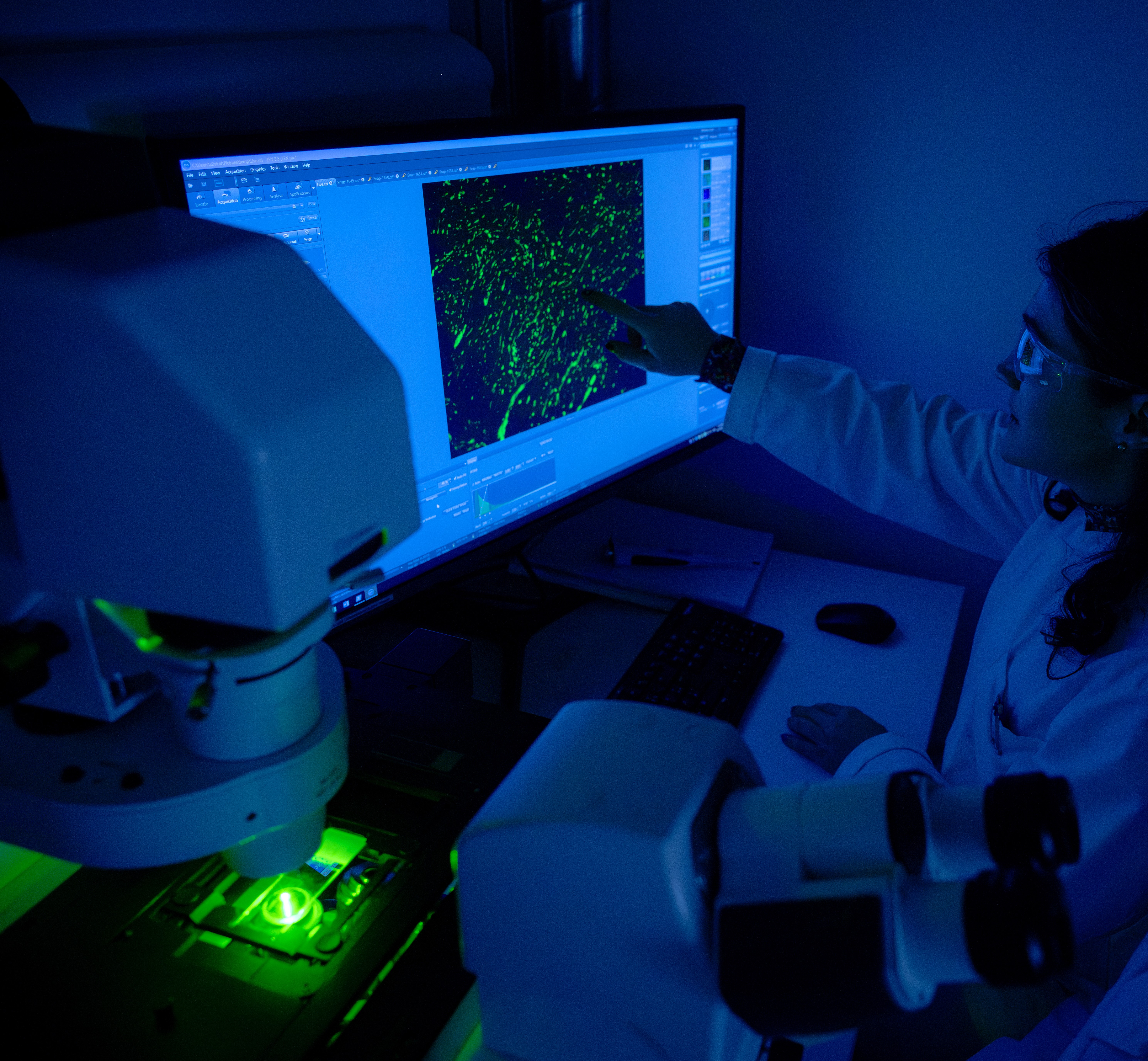
In one of our current Health Hub Tirol funded projects, we have investigated the tumor microenvironment to gain a better understanding of the interactions between cancer cells and the patient’s immune system. To this end, we have established an advanced 4D live cell imaging to study the interaction of tumor cells, immune cells, and the virus in real time in patient-derived tumor cultures. The establishment of multiplex immune cell tracking in our study is a big step forward in understanding how these elements interact in the tumor environment and will be crucial for understanding the complexity of cancer and how to treat it.
 Health Hub Tirol